 Appointments
 Pay Online
 Book lab
 Emergency
Laparoscopic Surgeries
Treatments
Symptoms of Laparoscopic
Pain & Discomfort
Swelling & Bruising
- Digestive Issues
- Fatigue & Weakness
Changes in Urination or Bowel Movements
Department Laparoscopic Surgeries
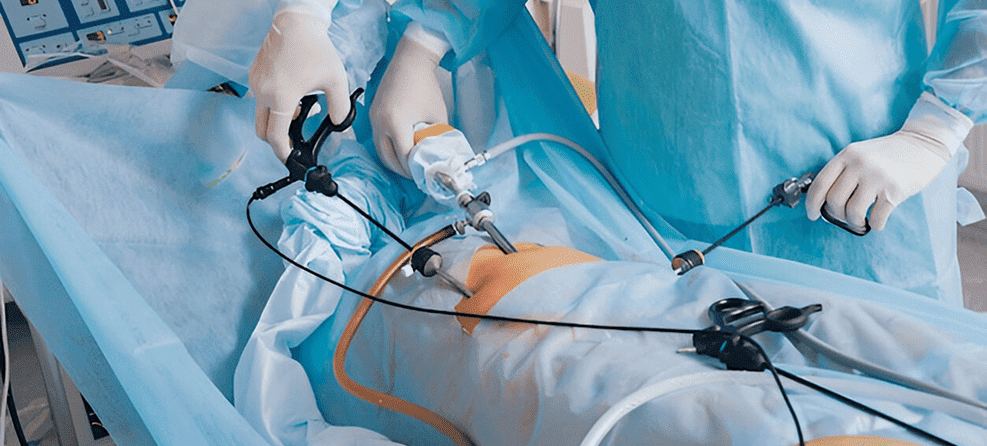
What is Laparoscopic ?
Laparoscopy (also called minimally invasive surgery or keyhole surgery) is a surgical technique where doctors use small incisions and a camera (laparoscope) to examine or operate inside the body.
Insertion of a Laparoscope – A thin tube with a camera and light is inserted to provide a clear view of internal organs on a monitor.
Common Diseases of the Laparoscopic which require treatment:
- Gallbladder Diseases (Cholecystectomy)
- Appendicitis (Laparoscopic Appendectomy)
- Hernias (Laparoscopic Hernia Repair)
- Endometriosis & Ovarian Cysts (Laparoscopic Gynecologic Surgery)
- Colorectal Diseases (Laparoscopic Colon Surgery)
- Gastroesophageal Reflux Disease (GERD) & Hiatal Hernia (Laparoscopic Fundoplication)
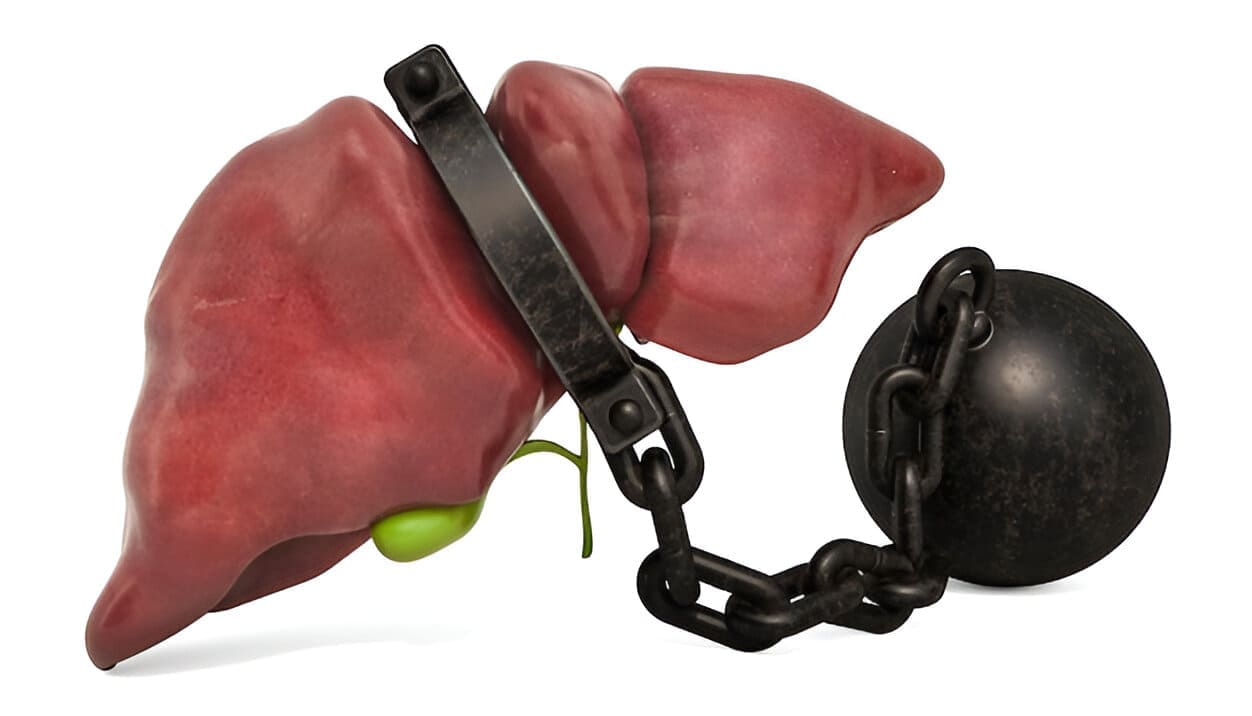
Cirrhosis of Laparoscopic
There is no such condition as "cirrhosis of laparoscopic." Cirrhosis is a disease of the liver, not a condition related to laparoscopic surgery. However, laparoscopy can be used to diagnose or manage cirrhosis and its complications.
No, cirrhosis cannot be reversed by laparoscopic surgery. However, laparoscopy helps diagnose, monitor, or treat complications of cirrhosis.
Surgeries
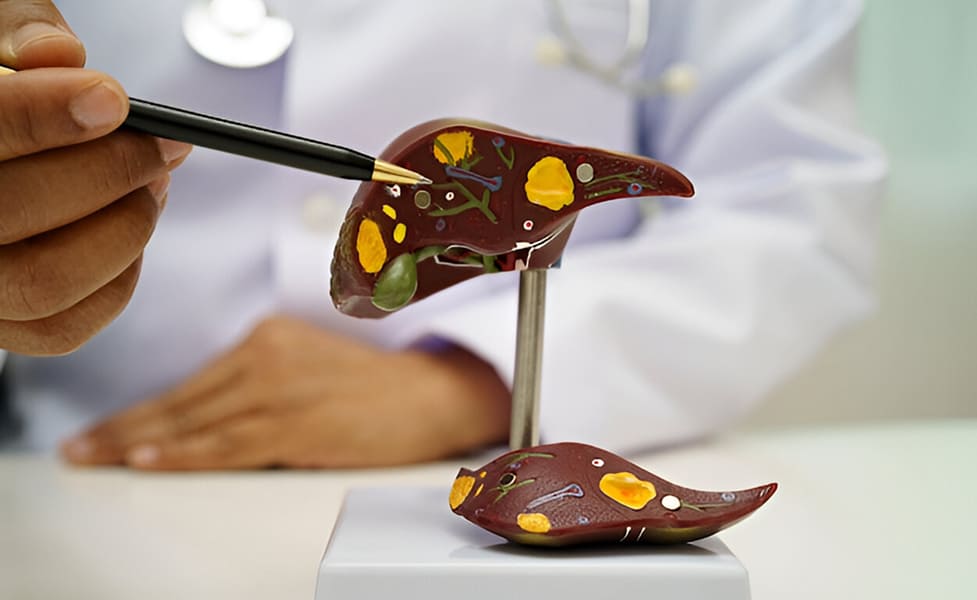
Gallbladder Stone
Gallbladder Stone is recommended in several situations to diagnose and evaluate various gastrointestinal conditions. It may be required when patients experience symptoms such as persistent abdominal pain, difficulty swallowing, recurrent heartburn, unexplained weight loss, or gastrointestinal bleeding. Gallbladder Stone is also useful for detecting ulcers, inflammation, tumors, or other abnormalities in the upper digestive tract. Additionally, it enables the collection of tissue samples for biopsy or the removal of polyps or foreign objects.
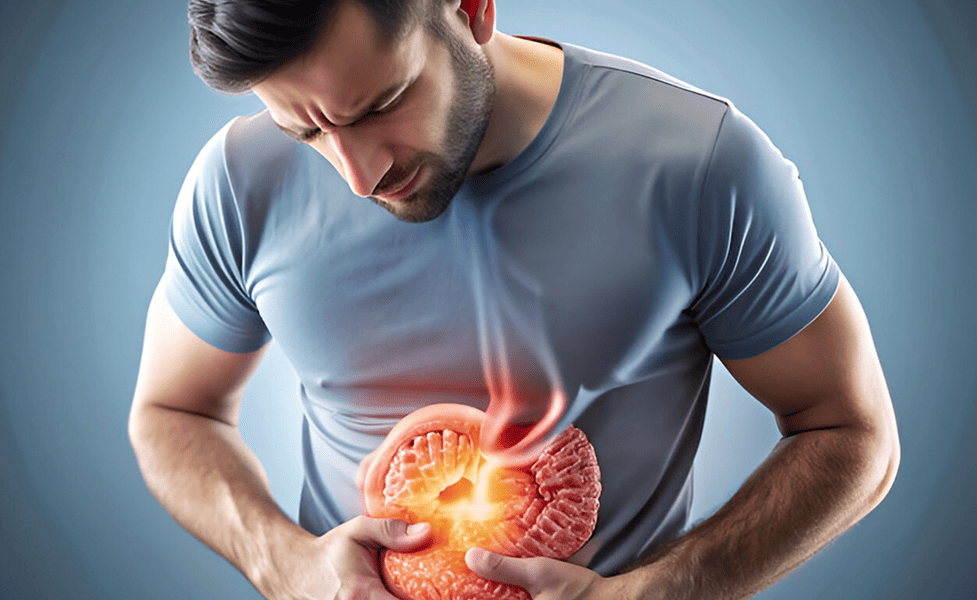
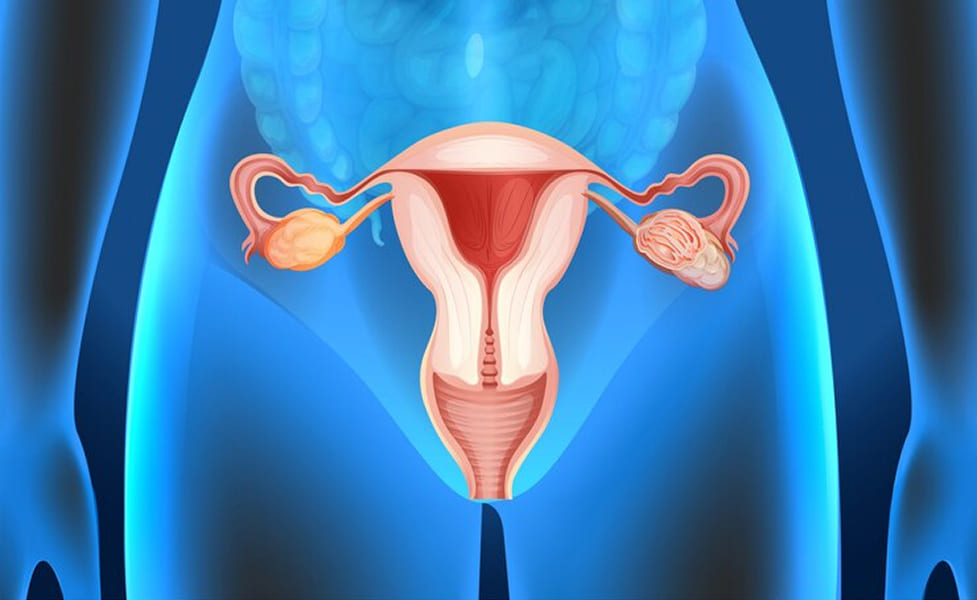
Appendi
Appendi is a specialized endoscopic procedure that allows healthcare professionals to visualize and examine the small intestine. This minimally invasive technique has revolutionized the diagnosis and treatment of various gastrointestinal conditions. In India, Appendi is gaining prominence as a valuable tool in the management of small bowel disorders. This article provides a comprehensive overview of Appendi, including its indications, procedure, benefits, limitations, and its role in promoting gastrointestinal health.
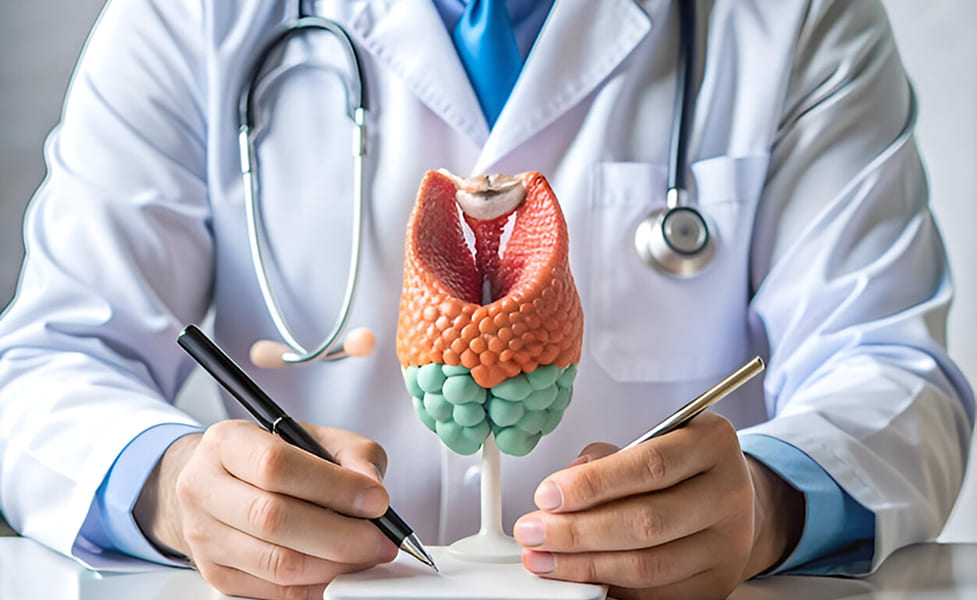
Hernia
Hernia (Endoscopic Retrograde Cholangiopancreatography) is a minimally invasive diagnostic procedure used to evaluate and treat disorders of the bile ducts, pancreas, and gallbladder. This advanced endoscopic technique combines the use of endoscopy and fluoroscopy to visualize and access these structures. Hernia has become an important tool in the management of various hepatobiliary and pancreatic conditions, allowing for precise diagnosis and targeted interventions. This article provides an in-depth understanding of Hernia, including its indications, procedure, benefits and limitations.
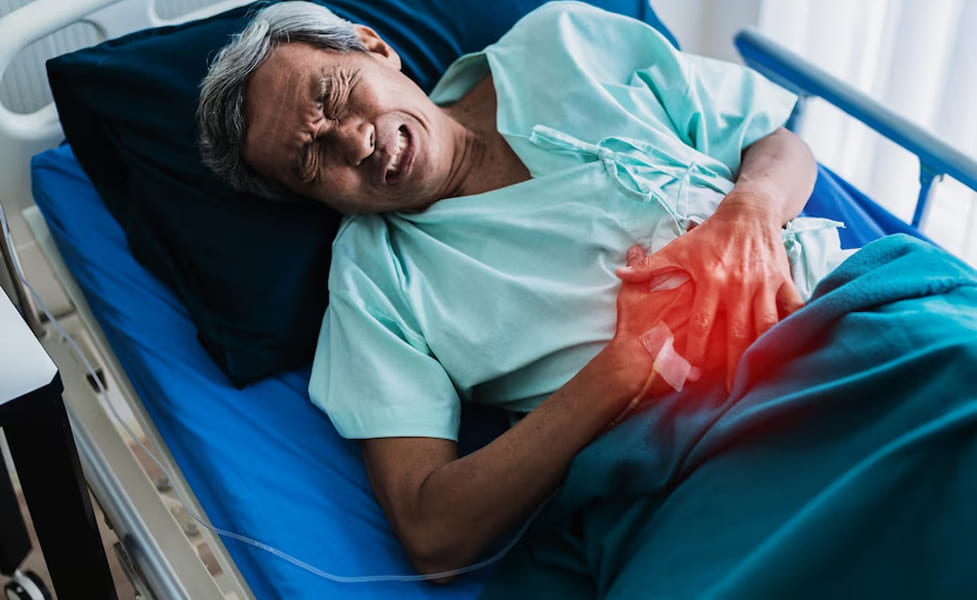
Incisional Hernia
Endoscopic Ultrasound (Incisional Hernia) is a minimally invasive imaging technique that combines endoscopy and ultrasound to visualize and evaluate the gastrointestinal tract and adjacent organs. This article provides an overview of Incisional Hernia, including its indications, procedure, benefits and limitations.
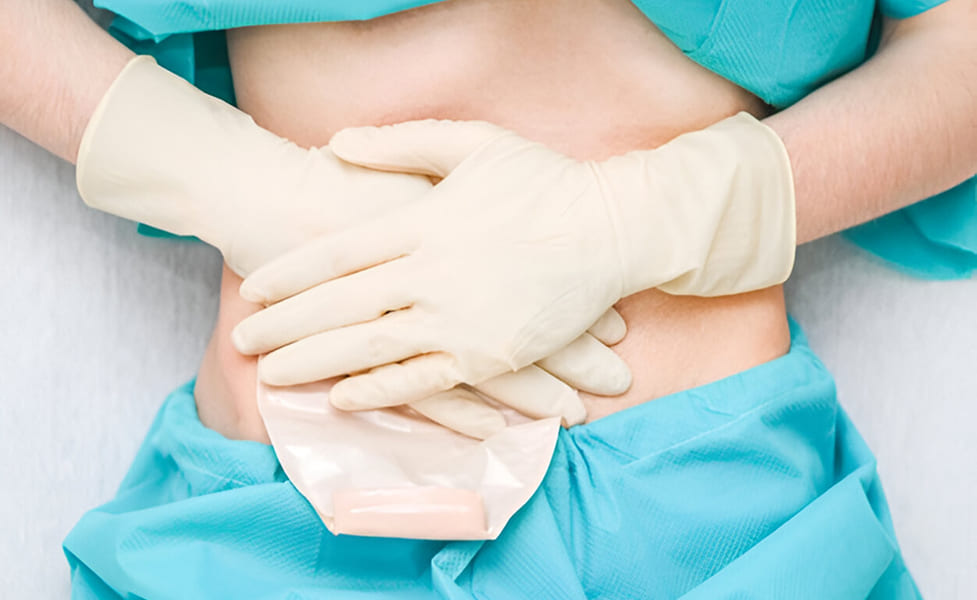
Umbilical Hernia
Umbilical Hernia is a diagnostic procedure used to evaluate the function and movement of the gastrointestinal (GI) tract. This article provides an in-depth overview of Umbilical Hernia, including its indications, procedure, benefits, limitations, and conclusion. By measuring pressure changes within the GI tract, Umbilical Hernia helps in diagnosing and managing various motility disorders.
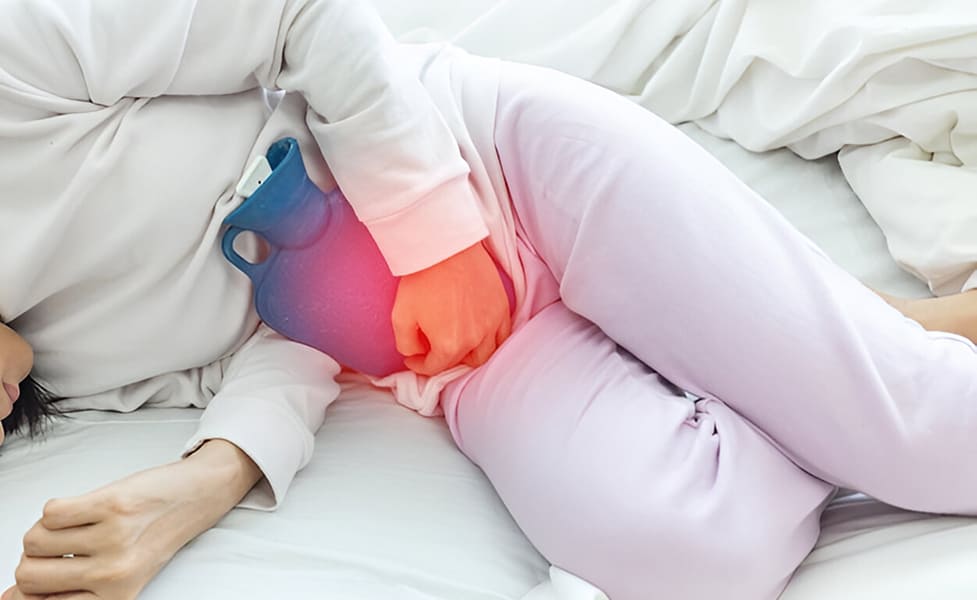
Inguinal Hernia
Inguinal Hernia is a minimally invasive medical procedure used to treat various gastrointestinal conditions by inserting a stent, a small tube-like device, to open up strictures or blockages in the digestive system. This article provides a comprehensive overview of Inguinal Hernia for gastrointestinal issues, including its indications, procedure, benefits and limitations. Inguinal Hernia plays a crucial role in relieving symptoms and improving the quality of life for patients with gastrointestinal disorders.
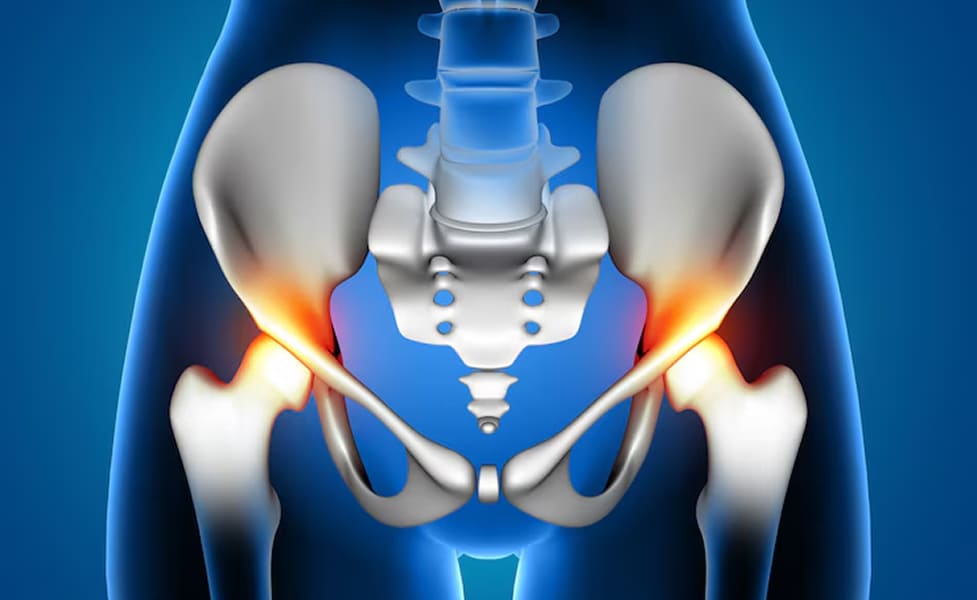
Femoral Hernia
Femoral Hernia is a minimally invasive procedure used to remove abnormal growths called polyps from the gastrointestinal tract. This article provides an insightful overview of Femoral Hernia in the context of gastrointestinal issues, including its indications, procedure, benefits and limitations. Femoral Hernia plays a crucial role in diagnosing and treating various gastrointestinal conditions, ensuring optimal digestive health and preventing the development of serious complications.

Hiatus Hernia
Foreign body ingestion is a common occurrence, particularly among children and adults with certain conditions. This article provides an informative overview of Hiatus Hernia through endoscopy in the context of gastrointestinal issues. It covers the indications for when this procedure is required, the procedural steps involved, its benefits, limitations, and concludes with important considerations. Hiatus Hernia through endoscopy is a minimally invasive approach that offers a safe and effective means of retrieving objects that have been swallowed, preventing potential complications and ensuring optimal gastrointestinal health.
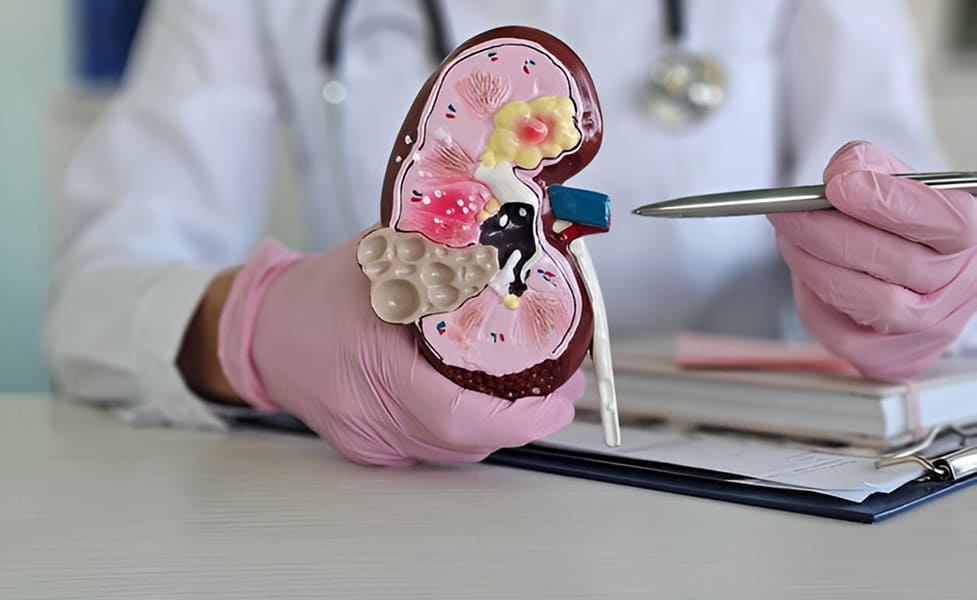
Spleen
The Spleen is a non-surgical weight loss procedure that involves placing a silicone balloon in the stomach to create a feeling of fullness and reduce hunger. The procedure is performed endoscopically and requires no incisions. The balloon remains in the stomach for a specific period, usually around six months, and is then removed.
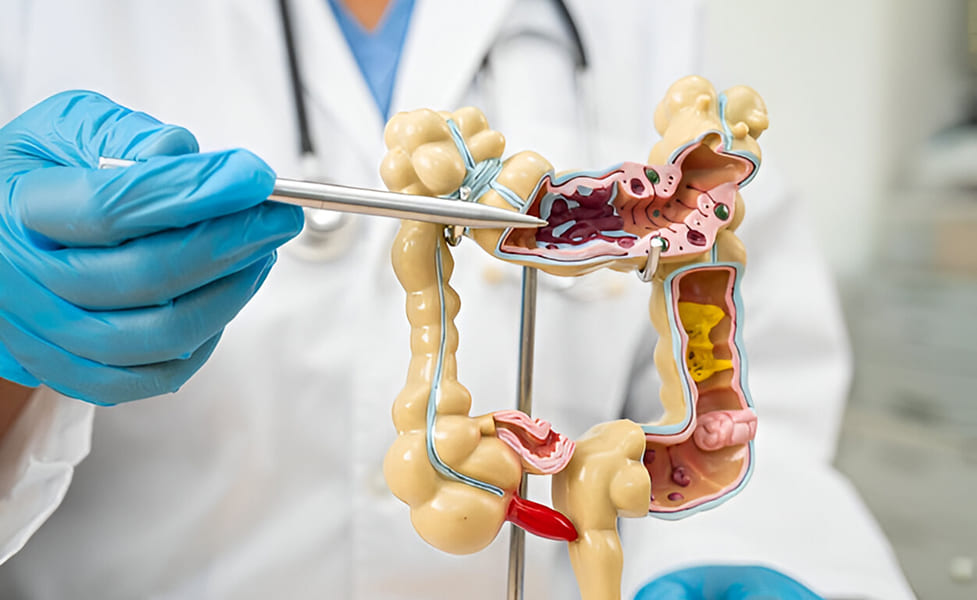
Rectum
The Spleen is a non-surgical weight loss procedure that involves placing a silicone balloon in the stomach to create a feeling of fullness and reduce hunger. The procedure is performed endoscopically and requires no incisions. The balloon remains in the stomach for a specific period, usually around six months, and is then removed.
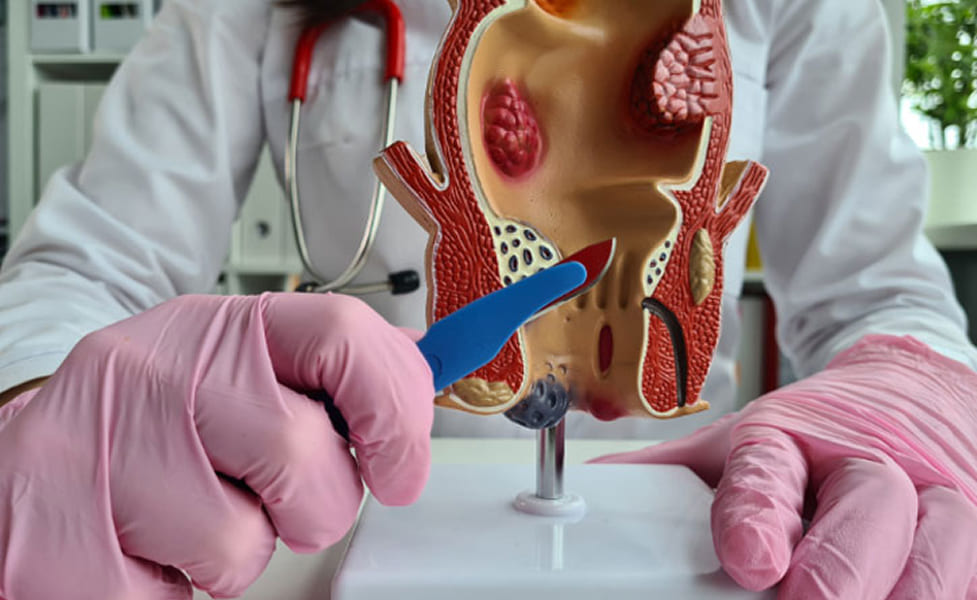
Piles
The Spleen is a non-surgical weight loss procedure that involves placing a silicone balloon in the stomach to create a feeling of fullness and reduce hunger. The procedure is performed endoscopically and requires no incisions. The balloon remains in the stomach for a specific period, usually around six months, and is then removed.
Treatments & Procedures
Gallbladder Stone
Gallbladder Stone is recommended in several situations to diagnose and evaluate various gastrointestinal conditions. It may be required when patients experience symptoms such as persistent abdominal pain, difficulty swallowing, recurrent heartburn, unexplained weight loss, or gastrointestinal bleeding. Gallbladder Stone is also useful for detecting ulcers, inflammation, tumors, or other abnormalities in the upper digestive tract. Additionally, it enables the collection of tissue samples for biopsy or the removal of polyps or foreign objects.
Appendi
Appendi is a specialized endoscopic procedure that allows healthcare professionals to visualize and examine the small intestine. This minimally invasive technique has revolutionized the diagnosis and treatment of various gastrointestinal conditions. In India, Appendi is gaining prominence as a valuable tool in the management of small bowel disorders. This article provides a comprehensive overview of Appendi, including its indications, procedure, benefits, limitations, and its role in promoting gastrointestinal health.
Hernia
Hernia (Endoscopic Retrograde Cholangiopancreatography) is a minimally invasive diagnostic procedure used to evaluate and treat disorders of the bile ducts, pancreas, and gallbladder. This advanced endoscopic technique combines the use of endoscopy and fluoroscopy to visualize and access these structures. Hernia has become an important tool in the management of various hepatobiliary and pancreatic conditions, allowing for precise diagnosis and targeted interventions. This article provides an in-depth understanding of Hernia, including its indications, procedure, benefits and limitations.
Incisional Hernia
Endoscopic Ultrasound (Incisional Hernia) is a minimally invasive imaging technique that combines endoscopy and ultrasound to visualize and evaluate the gastrointestinal tract and adjacent organs. This article provides an overview of Incisional Hernia, including its indications, procedure, benefits and limitations.
Umbilical Hernia
Gallbladder Stone is recommended in several situations to diagnose and evaluate various gastrointestinal conditions. It may be required when patients experience symptoms such as persistent abdominal pain, difficulty swallowing, recurrent heartburn, unexplained weight loss, or gastrointestinal bleeding. Gallbladder Stone is also useful for detecting ulcers, inflammation, tumors, or other abnormalities in the upper digestive tract. Additionally, it enables the collection of tissue samples for biopsy or the removal of polyps or foreign objects.
Inguinal Hernia
Inguinal Hernia is a minimally invasive medical procedure used to treat various gastrointestinal conditions by inserting a stent, a small tube-like device, to open up strictures or blockages in the digestive system. This article provides a comprehensive overview of Inguinal Hernia for gastrointestinal issues, including its indications, procedure, benefits and limitations. Inguinal Hernia plays a crucial role in relieving symptoms and improving the quality of life for patients with gastrointestinal disorders.
Femoral Hernia
Inguinal Hernia is a minimally invasive medical procedure used to treat various gastrointestinal conditions by inserting a stent, a small tube-like device, to open up strictures or blockages in the digestive system. This article provides a comprehensive overview of Inguinal Hernia for gastrointestinal issues, including its indications, procedure, benefits and limitations. Inguinal Hernia plays a crucial role in relieving symptoms and improving the quality of life for patients with gastrointestinal disorders.
Hiatus Hernia
Inguinal Hernia is a minimally invasive medical procedure used to treat various gastrointestinal conditions by inserting a stent, a small tube-like device, to open up strictures or blockages in the digestive system. This article provides a comprehensive overview of Inguinal Hernia for gastrointestinal issues, including its indications, procedure, benefits and limitations. Inguinal Hernia plays a crucial role in relieving symptoms and improving the quality of life for patients with gastrointestinal disorders.
Spleen
Inguinal Hernia is a minimally invasive medical procedure used to treat various gastrointestinal conditions by inserting a stent, a small tube-like device, to open up strictures or blockages in the digestive system. This article provides a comprehensive overview of Inguinal Hernia for gastrointestinal issues, including its indications, procedure, benefits and limitations. Inguinal Hernia plays a crucial role in relieving symptoms and improving the quality of life for patients with gastrointestinal disorders.
Rectum
Inguinal Hernia is a minimally invasive medical procedure used to treat various gastrointestinal conditions by inserting a stent, a small tube-like device, to open up strictures or blockages in the digestive system. This article provides a comprehensive overview of Inguinal Hernia for gastrointestinal issues, including its indications, procedure, benefits and limitations. Inguinal Hernia plays a crucial role in relieving symptoms and improving the quality of life for patients with gastrointestinal disorders.
Piles
Inguinal Hernia is a minimally invasive medical procedure used to treat various gastrointestinal conditions by inserting a stent, a small tube-like device, to open up strictures or blockages in the digestive system. This article provides a comprehensive overview of Inguinal Hernia for gastrointestinal issues, including its indications, procedure, benefits and limitations. Inguinal Hernia plays a crucial role in relieving symptoms and improving the quality of life for patients with gastrointestinal disorders.
Book an appointment with our specialist doctors through our online portal or by calling our reception. We ensure minimal waiting time and smooth scheduling.
Secure and convenient online payment options for consultation, treatment, and diagnostics. Multiple payment methods are supported.
Treatment & Procedures
Explore our Centers of Clinical Excellence










Obesity




Emergency & Trauma


Cancer Surgery

Liver & Pancreas

Chronic Calcific Pancreatic

Testimonials
What Our Patients Say About Dwarika Hospital

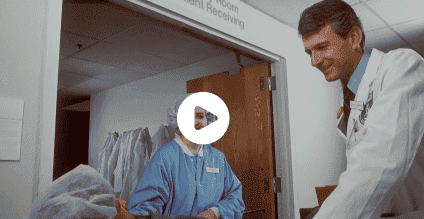
*Individual results vary. Testimonials are based on personal experiences shared by patients. Please consult our doctors for personalised medical advice.
Latest News & Health Updates
Our Stories, Surgery Results & Patient Education

Advanced Laparoscopic & Bariatric Surgery in Ahmedabad
Dwarika Hospital, led by Dr. Avinash Tank, now offers a wider range of laparoscopic & bariatric procedures for obesity, gallbladder, hernia, appendix and GI diseases with modern OT and strict safety protocols.
May 03, 2024 by Dwarika Hospital Team

Gastro & Liver Health Awareness Programs
Our doctors regularly conduct gastro & liver health awareness sessions to guide patients on gas–acidity, fatty liver, jaundice, stone disease and lifestyle changes that help prevent major surgery. (Verify with clinician.)
April 18, 2024 by Dr. Avinash Tank
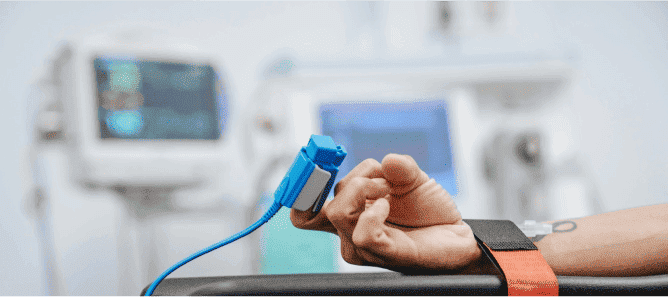
Obesity & Weight Loss Clinic – Patient Stories
Many patients from Ahmedabad and outside choose our weight loss surgery (bariatric surgery) program for long-term results. With dietician follow-up and counselling, we focus on safe, sustainable transformation.
March 10, 2024 by Bariatric Team – Dwarika
Book Your Appointment on WhatsApp
Busy or not comfortable filling forms? Book your appointment in 1 click through WhatsApp. Just send us a message and our team will confirm your slot.
- Fast response during OPD hours
- Share reports, symptoms & preferred time
- Easy for follow-ups & international patients
*Please avoid sharing very sensitive personal details on chat. Our team may call you for confirmation.
Our Partners
Insurance Partner





Our Network
Our Website Network