 Appointments
 Pay Online
 Book lab
 Emergency
Diabetic Surgeries
Treatments
Symptoms of Uncontrolled Diabetes
- Feeling more thirsty than usual (excessive thirst)
- Urinating more often, especially at night
- Losing weight without trying
- Presence of ketones in the urine
- Feeling tired, weak or drowsy
- Having blurry or fluctuating vision
- Slow-healing cuts, sores or frequent infections
Department of Diabetic & Metabolic Surgeries
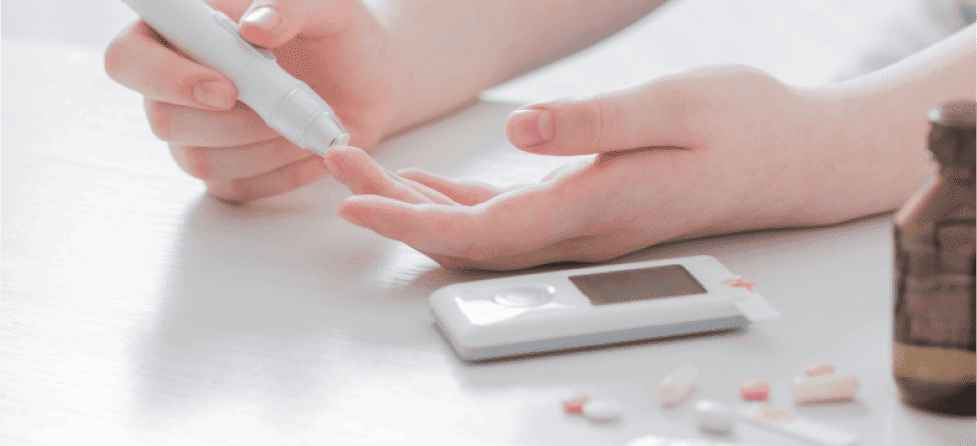
What is Diabetes?
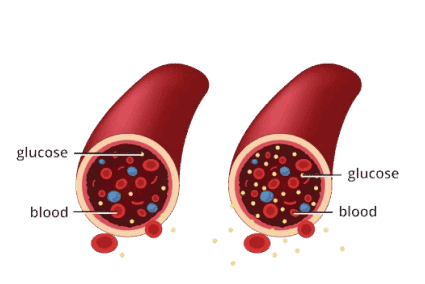
Diabetes is a chronic metabolic condition in which blood sugar (glucose) levels remain higher than normal. This happens when the body doesn't produce enough insulin, or when the cells do not respond properly to insulin, so glucose stays in the blood and does not enter the cells for energy.
There are different types of diabetes, the common ones being:
- Type 1 diabetes: A lifelong condition in which the body’s immune system attacks the insulin-producing cells of the pancreas.
- Type 2 diabetes: The most common type, where the body does not produce enough insulin or the cells become resistant to it (insulin resistance).
Complications of Uncontrolled Diabetes That Require Treatment
- Heart and blood vessel disease: Higher risk of heart attack, stroke and peripheral vascular disease.
- Kidney disease (diabetic nephropathy): Gradual loss of kidney function.
- Eye damage (diabetic retinopathy): Can lead to vision loss or blindness.
- Nerve damage (diabetic neuropathy): Burning, numbness or tingling in hands and feet, foot ulcers.
Why Diabetic / Metabolic Surgery?
Diabetic or metabolic surgery refers to bariatric-type procedures used specifically to improve blood sugar control and, in many patients with type 2 diabetes, achieve partial or complete remission. These surgeries work by:
- Reducing stomach capacity and improving portion control
- Altering gut hormones that control hunger and insulin response
- Improving insulin sensitivity and glucose metabolism
- Helping with sustained weight loss, which directly benefits diabetes control
Cirrhosis & Diabetes – The Connection
Diabetes is a known risk factor for cirrhosis of the liver, a form of advanced liver damage where healthy liver cells are replaced by scar tissue. Long-standing, poorly controlled diabetes can contribute to fatty liver, inflammation and progressive fibrosis.
Mechanisms include:
- Lipotoxicity & glucotoxicity: Excess fat and glucose in the blood can injure liver cells and drive inflammation.
- Mitochondrial oxidative stress: Increased oxidative stress from substances like leptin, adiponectin, IL-6 and TNF-α, especially in chronically inflamed adipose tissue (adipositis), promotes liver fibrosis.
Early management of diabetes, weight control and lifestyle changes can reduce the risk of progression to cirrhosis.
Surgeries
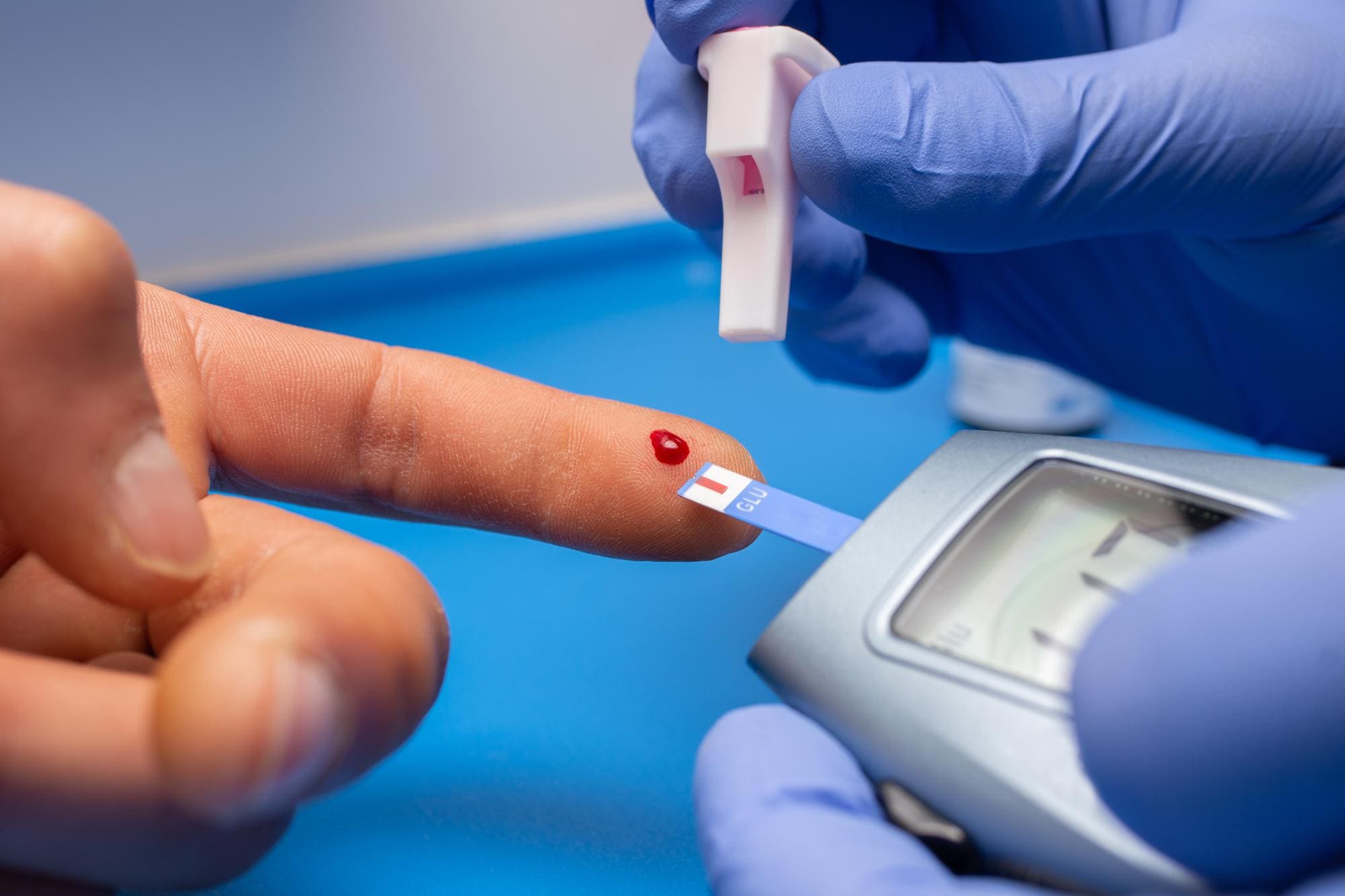
360 Diabetes Reversal
360 Diabetes Reversal is a holistic, personalised program designed to tackle type 2 diabetes from every angle. It combines medical therapy, structured nutrition, exercise, sleep optimisation, stress management and, when indicated, metabolic surgery. The goal is to improve insulin sensitivity, reduce medication requirement, and in many patients achieve partial or complete diabetes remission.

Metabolic Surgery
Metabolic surgery refers to bariatric procedures performed with the primary aim of controlling type 2 diabetes and metabolic syndrome, not just weight. By modifying the stomach and small intestine, metabolic surgery improves insulin sensitivity, gut hormone balance and blood sugar control, often leading to significant reduction or discontinuation of diabetes medications in suitable patients.
Diabetes Surgery
Diabetes surgery (for type 2 diabetes) includes procedures like gastric bypass, sleeve gastrectomy and mini bypass in appropriately selected patients. These surgeries help restore better blood sugar control through weight loss, hormonal changes and improved insulin action, and form part of a structured diabetes reversal strategy under expert supervision.
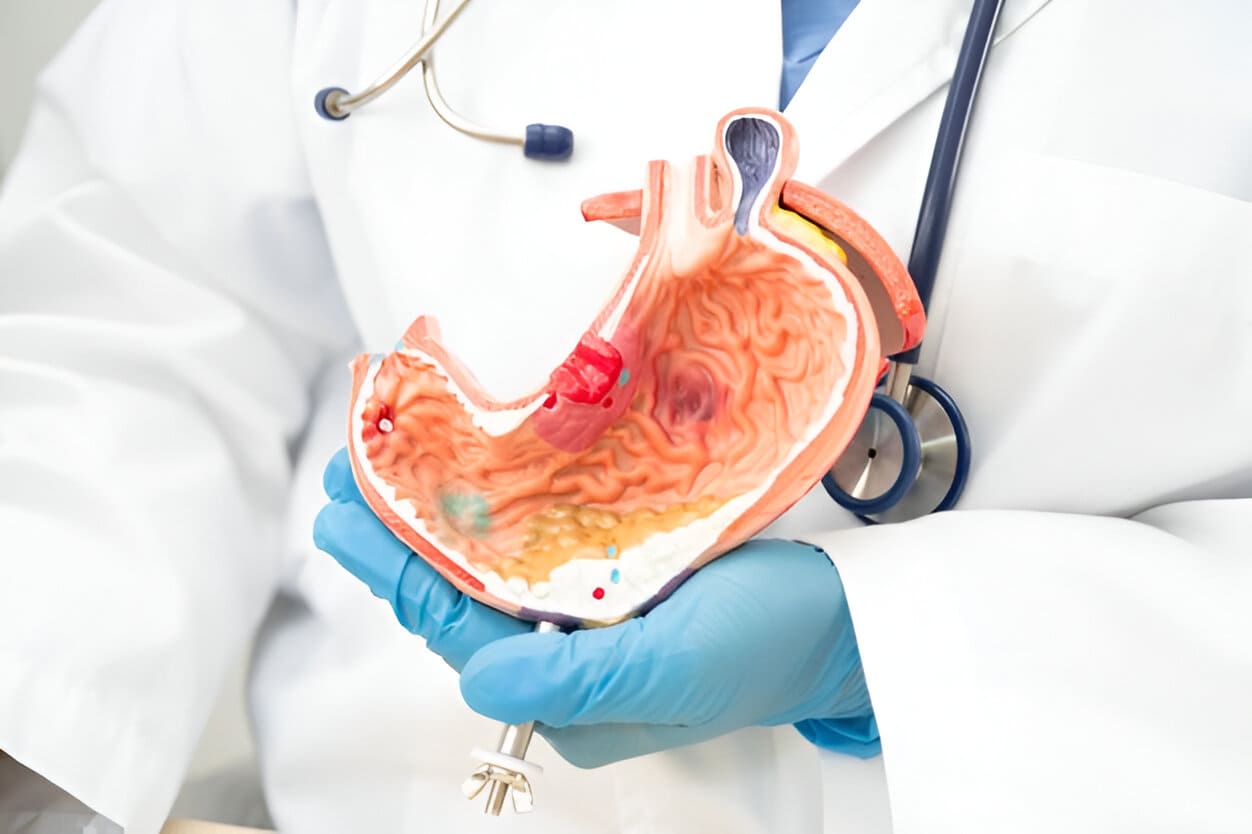
Sleeve Gastrectomy
Sleeve gastrectomy (gastric sleeve) removes a large portion of the stomach and creates a narrow “sleeve”. This reduces food intake and affects gut hormones that control hunger and blood sugar. Originally a weight-loss procedure, it has shown powerful benefits in improving type 2 diabetes control and achieving remission in many patients when combined with lifestyle and medical follow-up.
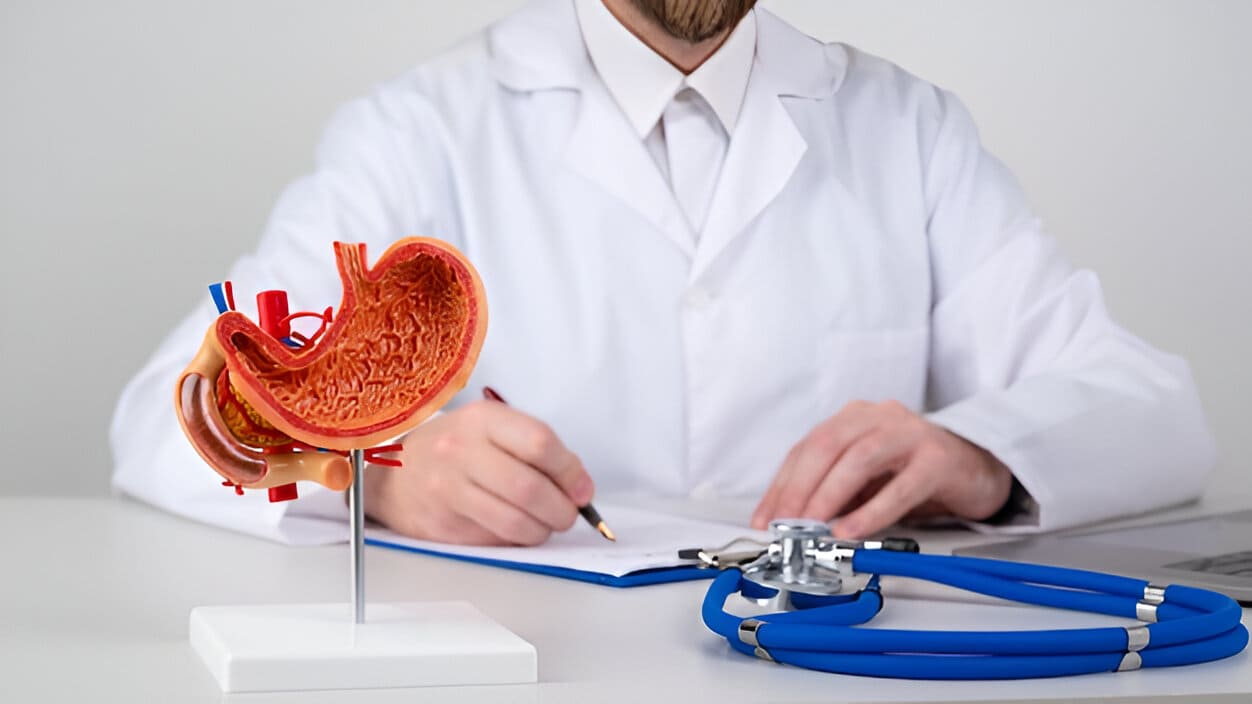
Gastric Bypass
Gastric bypass (Roux-en-Y) creates a small stomach pouch and reroutes a portion of the small intestine. This reduces intake and changes how nutrients and hormones are absorbed, leading to significant weight loss and strong improvement in type 2 diabetes. Many patients experience rapid drop in blood sugars and decreased need for insulin or tablets after surgery, under careful medical guidance.
Minibypass
Mini gastric bypass (single-anastomosis gastric bypass) is a simplified version of gastric bypass with one main connection (anastomosis). It promotes effective weight loss and improves diabetes control by combining restriction and mild malabsorption, with shorter operative time in many cases. It is selected based on BMI, comorbidities and individual risk profile.
Treatments & Procedures
Book an appointment with our specialist doctors through our online portal or by calling our reception. We ensure minimal waiting time and smooth scheduling.
Secure and convenient online payment options for consultation, treatment, and diagnostics. Multiple payment methods are supported.
Treatment & Procedures
Explore our Centers of Clinical Excellence










Obesity




Emergency & Trauma


Cancer Surgery

Liver & Pancreas

Chronic Calcific Pancreatic
Testimonials
What Our Patients Say About Dwarika Hospital

*Individual results vary. Testimonials are based on personal experiences shared by patients. Please consult our doctors for personalised medical advice.
Latest News & Health Updates
Our Stories, Surgery Results & Patient Education

Advanced Laparoscopic & Bariatric Surgery in Ahmedabad
Dwarika Hospital, led by Dr. Avinash Tank, now offers a wider range of laparoscopic & bariatric procedures for obesity, gallbladder, hernia, appendix and GI diseases with modern OT and strict safety protocols.
May 03, 2024 by Dwarika Hospital Team

Gastro & Liver Health Awareness Programs
Our doctors regularly conduct gastro & liver health awareness sessions to guide patients on gas–acidity, fatty liver, jaundice, stone disease and lifestyle changes that help prevent major surgery. (Verify with clinician.)
April 18, 2024 by Dr. Avinash Tank
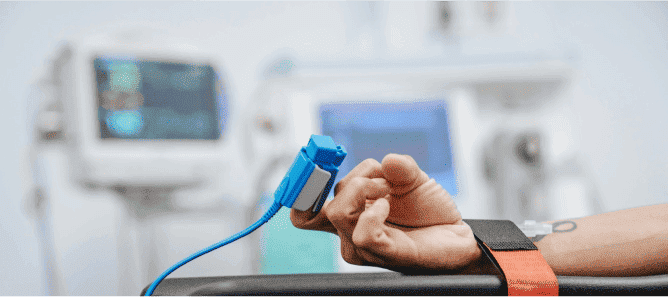
Obesity & Weight Loss Clinic – Patient Stories
Many patients from Ahmedabad and outside choose our weight loss surgery (bariatric surgery) program for long-term results. With dietician follow-up and counselling, we focus on safe, sustainable transformation.
March 10, 2024 by Bariatric Team – Dwarika
Book Your Appointment on WhatsApp
Busy or not comfortable filling forms? Book your appointment in 1 click through WhatsApp. Just send us a message and our team will confirm your slot.
- Fast response during OPD hours
- Share reports, symptoms & preferred time
- Easy for follow-ups & international patients
*Please avoid sharing very sensitive personal details on chat. Our team may call you for confirmation.
Our Partners
Insurance Partner





Our Network
Our Website Network