
A FILMED PATIENT ACCOUNT
Gallbladder surgery & recovery
Watch the full conversation. Explore more filmed accounts in our patient story library.
01 / 04
LAPAROSCOPY · DWARIKA HOSPITAL
Modern, minimally-painful treatment of haemorrhoids — including stapler and laser options for a quick return to routine.
Book aALSO KNOWN ASPiles treatmentPiles laser surgeryHaemorrhoid surgery
Written for patients, reviewed by the surgeons who perform this treatment.
Piles (haemorrhoids) are swollen blood vessels in and around the anal canal that cause bright-red bleeding, discomfort, swelling and itching. Most improve with diet and minor office procedures; advanced piles are treated with modern, low-pain day-care surgery.
Piles are cushions of swollen blood vessels in the lining of the anal canal. They are graded from one to four depending on whether they bleed only, prolapse and reduce on their own, or stay prolapsed. They are extremely common and usually treatable without major surgery.
The most common symptom is painless, bright-red bleeding during a bowel movement, often with a lump, itching, mucus or discomfort. Chronic constipation and straining, prolonged sitting, pregnancy and a low-fibre diet are the usual contributors.
Piles are diagnosed by examination and a proctoscopy. Importantly, because bleeding can also be a sign of colon or rectal cancer, a colonoscopy may be advised — especially after age 45 or with any change in bowel habit — to rule out serious causes.
Early piles improve with a high-fibre diet, fluids and simple measures. Persistent piles are treated with office procedures such as banding, or with modern surgery (laser or stapled haemorrhoidopexy) that is far less painful than traditional surgery and usually done as day care.
This guide was originally published by Dr. Avinash Tank in his medical-education library.Read “Piles (Haemorrhoids)” on dravinashtank.in
Choose a question. Each answer comes from our patient-education library.
This overview was originally published by Dr. Avinash Tank in his medical-education library.Colon & Rectum: the full overview
Doctor-written guides from Dr. Avinash Tank's medical-education library — understand the condition before you decide on treatment.
These articles live on dravinashtank.in, Dr. Avinash Tank's own site, and open in a new tab.
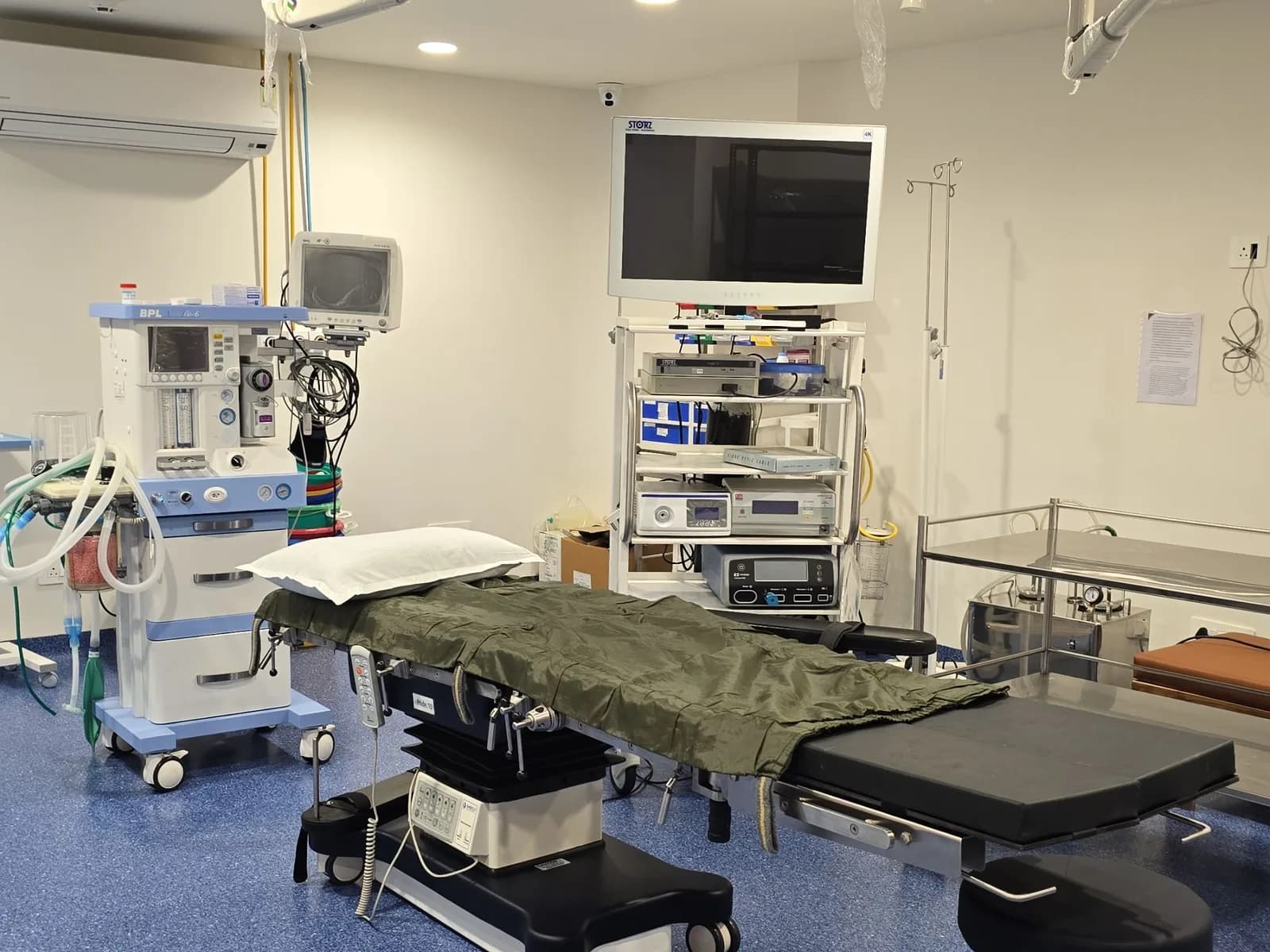
Surgery at Dwarika happens in the hospital's own operating theatres, with intensive care in the same building. Real clips — silent, with no patient identifiable.
BEFORE SURGERY · 01 / 09
BEFORE SURGERY
IN THEATRE
Operations from our theatres, patients who were treated here, and our surgeons explaining it — all from the hospital's own channel.
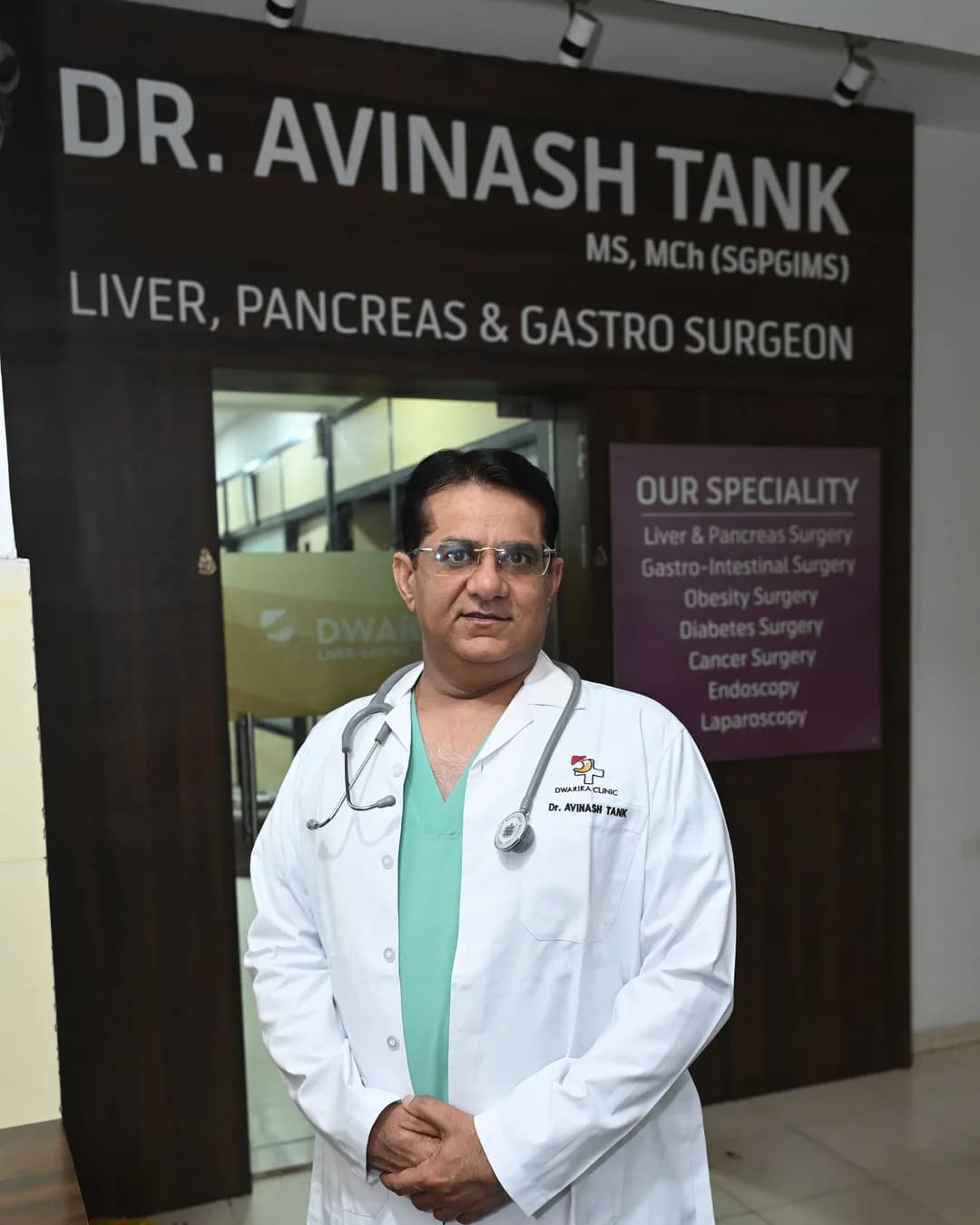
Dr. Avinash Tank
Director & Chief Surgical GastroenterologistMeet Dr. Avinash Tank, the surgeon leading Dwarika’s team. Trained at SGPGIMS — India's premier GI institute — with advanced fellowships in Japan and South Korea.
Figures reflect Dr. Avinash Tank’s career record, as published by his practice.
Hear from people who have been here.
In their own words, at their own pace.
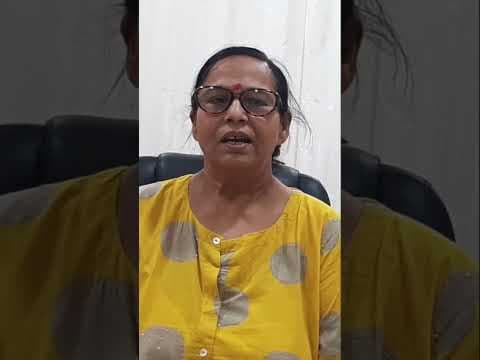
Watch the full conversation. Explore more filmed accounts in our patient story library.
Have a similar problem?
Book a consultationThese are common and very treatable. The consultation is private and the examination is quick.
What every patient can expect here — from the first call to the last follow-up.
01.
Surgery here is performed by MCh-qualified surgical gastroenterologists, not general surgeons operating outside their specialty.
02.
Laparoscopic and scarless techniques are the standard approach, reserving open surgery for cases that genuinely need it.
03.
Diagnosis, surgery, nutrition and follow-up sit under one roof — you are not handed between disconnected clinics.
04.
Every patient is told what the operation can and cannot achieve, with costs stated upfront, before anything is scheduled.
EVERY STEP, TOGETHER
Knowing what comes next makes all the difference. Explore your journey, from the first conversation to care after you go home.
Your guide to patient careCall, WhatsApp or use the form. Bring any scans, reports or endoscopy results you already have — it usually saves a visit.
Insurance, your stay, recovery and travel — the practical questions every patient asks.
Articles and documented cases that point to this treatment.
No. Most piles improve with diet, fluids and minor office procedures. Surgery is reserved for advanced or persistent cases.
Performed at our GI & Laparoscopic Surgery centre.
Or see all 55 treatments · visit the GI & Laparoscopic Surgery centre.
409–418, 4th Floor, Gamara Capital, Beside AUDA Garden, Near Civic Center, Opp. Samanvay Residency / Safal Parisar 2, South Bopal, Ahmedabad, Gujarat 380058
24×7 — round-the-clock emergency & inpatient care
Patients travel to us from South Bopal, Bopal, Shela, Ghuma, Sanathal, Prahlad Nagar, Satellite, Jodhpur and across Gujarat — Gandhinagar, Surat, Vadodara, Rajkot.