
DIGESTIVE CANCERS · PATIENT EDUCATION
Rectal Cancerexplained plainly.
Rectal cancer affects the last part of the large bowel. Thanks to modern sphincter-preserving surgery, often combined with chemo-radiotherapy, most patients can be cured while keeping normal bowel function and avoiding a permanent stoma.
Book aconsultation
GI cancer, explained plainlyMedically reviewed July 2026Written for patients
DWARIKA HOSPITAL PATIENT EDUCATION
Digestive health. Surgical expertise. Human connection. +91 88660 20505 · 24×7
RECTAL CANCER AT A GLANCE
- 4.
- Sections in this guide
- 4.
- Related guides & articles
01 / THE GUIDE
Rectal Cancer
in plain language.
Written for patients and families, reviewed by the surgeons who treat it.
- DEFINITION
- Malignant tumour of the rectum (last part of the bowel)
- RISK FACTORS
- Age, polyps, family history, inflammatory bowel disease
- WHEN TO SEE A SURGEON
- Rectal bleeding, change in bowel habit, or a feeling of incomplete emptying
- CURATIVE OPTION
- Sphincter-preserving surgery ± chemo-radiotherapy
What is rectal cancer?
Rectal cancer develops in the rectum, the final section of the large bowel just above the anus. Like colon cancer, it usually arises from polyps. Its location close to the anal sphincter makes precise, specialist surgery important to cure the cancer while preserving bowel control.
Symptoms & diagnosis
Typical symptoms are rectal bleeding, a change in bowel habit, a sensation of incomplete emptying, and narrow stools. Because these overlap with piles, any rectal bleeding should be assessed. Diagnosis involves colonoscopy with biopsy, and an MRI of the rectum to plan the precise surgical approach.
Treatment options
Modern treatment is highly effective. Many rectal cancers are treated with chemo-radiotherapy first to shrink the tumour, followed by precise sphincter-preserving surgery (often laparoscopic or robotic) that removes the cancer while keeping normal bowel function. A permanent stoma is now avoidable in the majority of cases.
Avoiding a permanent stoma
With careful staging and sphincter-preserving techniques, most patients keep normal bowel continuity. When a temporary stoma is needed to protect healing, it can usually be reversed later. Expert planning is key to balancing cure with quality of life.
This guide was originally published by Dr. Avinash Tank in his medical-education library.Read “Rectal Cancer” on dravinashtank.in
02 / EXPLORE
Understand
the bigger picture.
Choose a question. Each answer comes from our patient-education library.
This overview was originally published by Dr. Avinash Tank in his medical-education library.Colon & Rectum: the full overview
03 / PATIENT EDUCATIONALL RECTAL CANCER GUIDES
Learn more about
rectal cancer.
Doctor-written guides from Dr. Avinash Tank's medical-education library — understand the condition before you decide on treatment.
These articles live on dravinashtank.in, Dr. Avinash Tank's own site, and open in a new tab.
04 / WATCH · RECTAL CANCERFULL VIDEO LIBRARY
Rectal Cancer,
explained on film.
Surgeon explainers, patient stories and operations from the hospital's own channel.
TALK TO A SURGEON
Bleeding, pain or
swelling at the back passage?
These are common and very treatable. The consultation is private and the examination is quick.
05 / COMMON QUESTIONS
Aboutrectal cancer
Most patients avoid a permanent stoma thanks to sphincter-preserving surgery. When a temporary stoma is used to protect healing, it can usually be reversed.
07 / PRACTICAL MATTERSPATIENT CARE GUIDE
Before you
come in.
Insurance, your stay, recovery and travel — the practical questions every patient asks.
08 / WHY DWARIKA HOSPITALABOUT THE HOSPITAL
Four promises.
One standard.
What every patient can expect here — from the first call to the last follow-up.
01.
Super-specialist led
Surgery here is performed by MCh-qualified surgical gastroenterologists, not general surgeons operating outside their specialty.
02.
Keyhole by default
Laparoscopic and scarless techniques are the standard approach, reserving open surgery for cases that genuinely need it.
03.
One team, one plan
Diagnosis, surgery, nutrition and follow-up sit under one roof — you are not handed between disconnected clinics.
04.
Counselling before consent
Every patient is told what the operation can and cannot achieve, with costs stated upfront, before anything is scheduled.
YOUR NEIGHBOURHOOD. YOUR HOSPITAL.
Closer than
you think.
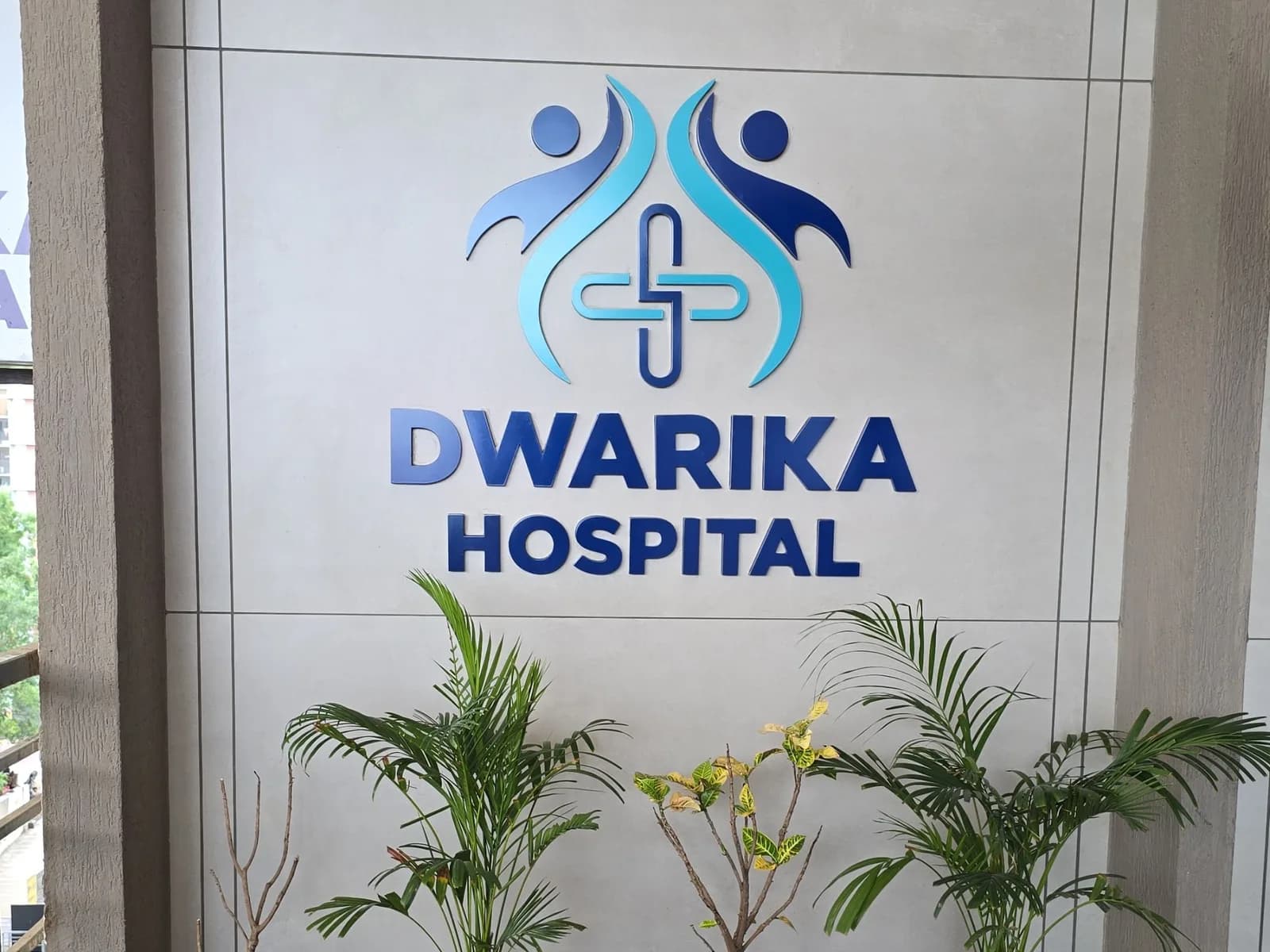
409–418, 4th Floor, Gamara Capital, Beside AUDA Garden, Near Civic Center, Opp. Samanvay Residency / Safal Parisar 2, South Bopal, Ahmedabad, Gujarat 380058
24×7 — round-the-clock emergency & inpatient care
Patients travel to us from South Bopal, Bopal, Shela, Ghuma, Sanathal, Prahlad Nagar, Satellite, Jodhpur and across Gujarat — Gandhinagar, Surat, Vadodara, Rajkot.
Your next chapter.
Let’s begin.
Book aconsultation